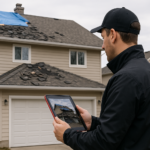
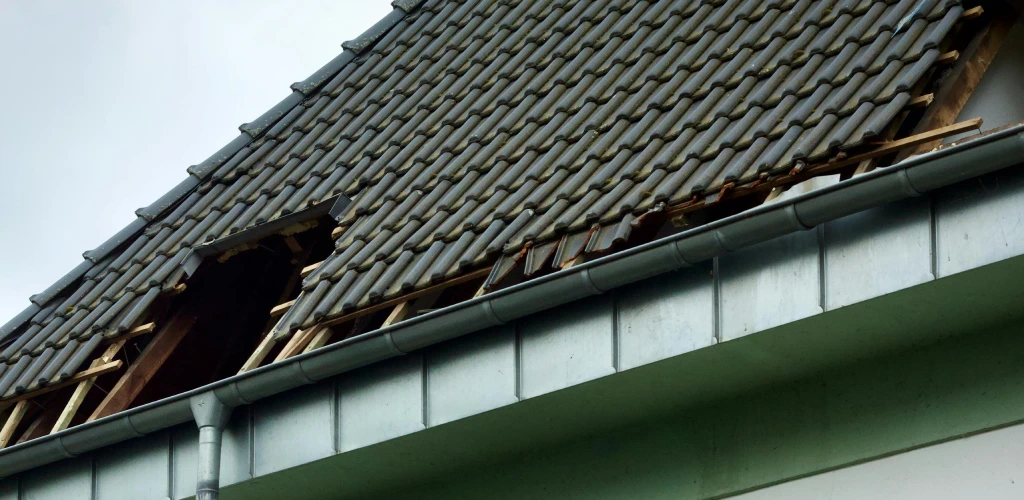
A severe storm rolls through overnight. You wake up to scattered shingles in your yard, a suspicious water stain spreading across your ceiling, and a sinking feeling in your stomach. Sound familiar?
Storm damage roof repair is one of the most stressful and expensive home repairs a homeowner can face. But it doesn’t have to blindside you. Whether you’re dealing with hail pockmarks, wind-torn flashing, or a full-blown leak soaking through your drywall, understanding what repairs actually cost and what steps to take immediately can save you thousands of dollars and weeks of headaches.
This guide breaks down everything you need to know, including a free checklist you can use right now.
Why Storm Damage Is More Costly Than People Expect
Most homeowners underestimate storm damage, not because they’re careless, but because a lot of it is invisible from the ground. A few missing shingles look minor. But underneath those shingles, the underlayment may be soaked, the decking saturated, and mold quietly taking hold.
That’s the real danger with any roof leak after storm repair: delay turns a $400 fix into a $4,000 one. Water finds the path of least resistance, and once it’s inside your roof structure, it doesn’t stop on its own.
What Drives the Cost of Storm Damage Roof Repair?
The cost to repair storm damage to a roof varies widely based on several factors working together. Here’s what contractors look at when they assess your home:
Type of storm damage: Hail storm roof repair typically involves replacing bruised or cracked shingles across a large surface area, while wind damage roof repair often focuses on flashing, ridge caps, and sections where shingles lifted or peeled back entirely. These require different labor approaches and material quantities.
Roof size and pitch: A steeper roof requires more safety equipment, more labor time, and typically higher costs per square foot. A flat or low-slope roof may show different damage patterns and need different materials.
Extent of the damage: A small localized impact zone costs far less than widespread damage affecting multiple roof sections or the entire field.
Materials: Asphalt shingles are the most affordable to replace. Metal, tile, and slate roofing systems cost significantly more per repair but tend to be more durable long-term.
Your location: Storm damage roof repair near you may cost more or less depending on regional labor rates, local material availability, and how much demand exists in your area after a widespread weather event. When a major storm hits an entire region, roofing companies get slammed with calls, and prices can rise temporarily.
Storm Damaged Roof Repair Cost: Real Numbers
Here’s a realistic breakdown of what homeowners typically pay for residential storm damage roof repair in the United States:
| Repair Type | Average Cost Range |
| Minor shingle replacement (a few shingles) | $150 – $400 |
| Moderate hail storm roof repair (1–2 squares) | $500 – $1,500 |
| Wind damage roof repair (flashing + shingles) | $300 – $1,200 |
| Roof leak after storm repair (labor + materials) | $400 – $2,500 |
| Partial roof replacement (severe section damage) | $2,500 – $6,000 |
| Full roof replacement (total storm loss) | $8,000 – $20,000+ |
| Emergency storm damage roof repair (tarping) | $200 – $1,000 |
These are ballpark figures. Your actual cost to repair storm damage to your roof will depend on the factors outlined above, plus any underlying structural issues discovered once the work begins.
One thing most guides won’t tell you: Always get at least three quotes from a local storm damage roofing company, not just one. After a major weather event, storm chasers (out-of-town contractors who follow severe weather patterns) flood affected areas. They’re often unlicensed, uninsured, and gone before problems appear. Stick with a local storm damage roofing company that has verifiable reviews, a physical address, and proper licensing in your state.
Emergency and 24-Hour Roof Repair After a Storm
When a storm punches a hole in your roof or causes a major structural failure, you can’t wait a week for a scheduled appointment. Reputable roofing companies offer 24 hour roof repair storm damage services specifically for these scenarios.
Emergency roof repair typically involves:
- Tarping the damaged section to stop water intrusion immediately
- Temporary patching of broken sections using waterproof membrane or board
- Debris removal from the roof surface to prevent further structural loading
- Interior damage documentation to support your insurance claim
If you’re searching for emergency storm damage roof repair, prioritize companies that have an active emergency line, can dispatch within hours, and provide written documentation of all temporary work performed. That documentation matters for your insurance claim.
Hail vs. Wind: Understanding the Damage Differently
Not all storms damage roofs the same way, and knowing the difference helps you have a smarter conversation with your contractor.
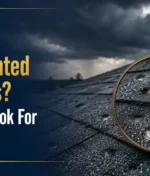
Hail storm roof repair deals with impact damage, the bruising, cracking, and granule loss that happens when hailstones strike roofing material. Granule loss is particularly insidious because it accelerates UV degradation of asphalt shingles, shortening your roof’s lifespan even if it doesn’t immediately leak. Larger hail (1.5 inches or above) can crack shingles outright or dent metal components like flashing, vents, and gutters.
Wind damage roof repair addresses lifting, peeling, and tearing. When wind gets under a shingle edge, especially near ridges, rakes, and eaves, it can strip entire sections in seconds. Wind damage often exposes the underlayment or decking directly to rain, which is why roof leaks after wind events tend to appear quickly and aggressively.
Insurance adjusters assess these two damage types differently, so it’s worth having your contractor walk you through exactly what they’re observing before the adjuster visits.
Does Insurance Cover Storm Damage Roof Repair?
In most cases, yes, homeowner’s insurance covers storm damage roof repair caused by wind, hail, lightning, and falling debris. However, coverage depends on your specific policy, your deductible, and how well you document the damage.
Here’s what works in your favor at claim time:
- Photos and video taken immediately after the storm
- Your contractor’s written damage assessment
- Records of regular roof maintenance (insurers may reduce payouts on neglected roofs)
- Documentation of emergency roof repair completed to prevent further damage
Some policies have separate wind or hail deductibles, often 1–2% of the home’s insured value: so read your policy carefully before assuming you know your out-of-pocket cost.
Free Storm Damage Roof Repair Checklist
Use this checklist immediately after any severe storm event. Print it, save it to your phone, or bookmark this page.
✅ Immediate Safety (First 30 Minutes)
- Do NOT go on your roof: assess from the ground or through upper-story windows
- Check attic/top floor for signs of active water intrusion
- Move furniture, valuables, and electronics away from any ceiling stains or drips
- Place buckets under active drips to prevent flooring damage
- If there is structural damage or collapse risk, evacuate and call emergency services
✅ Documentation (First 2–4 Hours)
- Photograph all visible exterior damage from multiple angles
- Document interior water stains, wet insulation, or ceiling damage
- Note the date, time, and approximate storm severity
- Check your gutters for shingle granule buildup (a sign of hail impact)
- Look for missing, lifted, or curled shingles from ground level
✅ Emergency Mitigation (Within 24 Hours)
- Call a local storm damage roofing company for emergency inspection
- Request temporary tarping or patching if there is active water intrusion
- Get written documentation of all emergency work performed
- Contact your insurance company to open a claim (don’t delay — most have time limits)
✅ Insurance and Contractor Process (Within 1 Week)
- Obtain at least 2–3 written estimates from licensed local contractors
- Verify each contractor’s license, insurance, and local reviews
- Schedule insurance adjuster visit, have your contractor present if possible
- Review your policy for wind/hail deductible specifics
- Do NOT sign anything with a storm chaser or door-to-door contractor without verifying credentials
✅ Repair and Follow-Up
- Confirm all repair materials match your existing roof system
- Get a written warranty on all repair work
- Request a final inspection walkthrough with photos
- Keep all receipts and documentation for insurance records
- Schedule a follow-up inspection 6 months later to catch any secondary issues
How to Find a Trustworthy Local Storm Damage Roofing Company
When you search “roof storm damage repair near me,” the results can feel overwhelming, especially in the days after a major storm. Here’s how to filter quickly:
Look for contractors with at least 3–5 years of local history, verifiable Google reviews mentioning storm work specifically, and a willingness to provide references. Membership in the National Roofing Contractors Association (NRCA) or your state’s roofing association is a positive signal. Most importantly, never pay more than 10–15% upfront before work begins, and always get everything in writing.
A legitimate local storm damage roofing company will never pressure you to sign an Assignment of Benefits (AOB) form upfront: that’s a major red flag used by unscrupulous contractors to take control of your insurance claim.
Final Thoughts
Storm damage roof repair doesn’t have to be the nightmare scenario it often becomes for unprepared homeowners. When you understand what drives costs, know the difference between hail and wind damage, take action quickly, and work with a vetted local contractor, you stay in control of the outcome.
The checklist above is your first line of defense. Use it every time a major storm passes through, whether or not the damage is obvious. Many of the costliest roof repair situations start with damage that went unnoticed for weeks or months.
If you’re dealing with storm damage right now, don’t wait. A fast, well-documented response is the single biggest factor in keeping repair costs manageable and your insurance claim successful.Have questions about your specific storm damage situation? Contact a licensed local storm damage roofing company in your area for a free inspection, most reputable contractors offer them at no charge following a weather event.