Understanding How Severe Storms Impact Roofs Nationwide
Severe storms have become a defining challenge for property owners across the country, leaving a trail of roof damage that ranges from subtle wear to catastrophic destruction. From the relentless pounding of hailstones in the Midwest to the battering winds and torrential rains of coastal hurricanes, no region is immune to the unpredictable fury of nature. Understanding how these powerful weather events affect roofing systems is essential for every property owner committed to safeguarding their investment.
The Variety of Storm Threats
Different types of storms bring unique threats to roofs. High winds can lift shingles or tear off entire sections, leaving underlying materials exposed to further damage. Hail can puncture or bruise roofing materials, compromising their protective capabilities and accelerating deterioration. Heavy rain, especially when accompanied by pre-existing vulnerabilities, can exploit even the smallest cracks or loose flashing, leading to leaks that may go unnoticed until significant interior damage occurs.
Regional Differences in Storm Impact
While some regions experience frequent thunderstorms, others may face the sporadic wrath of tornadoes or the seasonal threat of hurricanes. For example:
- Midwestern states are prone to hailstorms that can fracture shingles and dent metal roofs.
- Southern and Eastern coastal areas must contend with hurricane-force winds and flying debris.
- Northern zones may suffer from ice dams and heavy snow loads that strain roofing structures.
Recognizing these regional risks helps property owners prepare more effectively and prioritize regular inspections after severe weather events.
By understanding the multifaceted ways storms can impact roofs nationwide, property owners can make informed decisions about maintenance, timely repairs, and the necessity for professional roof inspections—ensuring long-term protection and peace of mind.
Regions Most Affected by Hail and Storm Damage in the United States
The United States is vast and geographically diverse, subjecting different regions to varying degrees of storm severity. When it comes to hail and storm damage, not all areas are equally vulnerable. Understanding which regions are most at risk is essential for property owners who wish to safeguard their investments and plan timely roof inspections.
The Hail Belt: America’s High-Risk Zone
Stretching from Texas through Oklahoma, Kansas, Nebraska, and into South Dakota, the so-called “Hail Belt” or “Tornado Alley” is notorious for frequent and intense hailstorms. These states routinely experience large hailstones capable of causing significant roof damage, shattering shingles, denting metal, and even compromising structural integrity. Major cities within these zones, such as Dallas, Oklahoma City, and Omaha, often lead the nation in hail-related insurance claims.
Southeastern States: Vulnerable to Hurricanes and Severe Storms
Beyond the central plains, the southeastern United States—including Florida, Georgia, Alabama, and the Carolinas—faces a different threat: hurricanes and tropical storms. These weather events bring powerful winds, torrential rain, and flying debris, all of which can devastate roofs. Coastal communities in particular must remain vigilant, as storm surges and high humidity can exacerbate roofing vulnerabilities.
Midwestern and Northeastern Exposure
The Midwest and parts of the Northeast, including Illinois, Indiana, Ohio, and Pennsylvania, are not immune to damaging storms. Though less frequent than in the Hail Belt, severe thunderstorms and occasional hail can still inflict costly roof damage in these areas.
Recognizing your property’s risk level based on its geographic location is the first step toward proactive maintenance. By staying informed, property owners can better anticipate storm threats and prioritize regular roof inspections, ensuring long-term structural resilience.
Storm Activity in Texas and the Risks to Property Owners
Texas is no stranger to turbulent weather, with its vast landscape frequently subjected to powerful storms that sweep across the region. From severe thunderstorms and hail to tornadoes and the remnants of hurricanes, the state’s unique geographic position places property owners in the direct path of nature’s most formidable forces. These storms bring more than just dramatic skies—they carry the potential for significant damage to homes and commercial buildings, most notably to roofing systems.
The risks posed by storm activity in Texas are multifaceted and ever-present. Hailstones, sometimes reaching the size of golf balls or larger, can pummel shingles, crack tiles, and compromise the structural integrity of even the most robust roofs. High winds, often exceeding 60 miles per hour, can tear shingles from rooftops, lift metal panels, and expose underlying materials to water intrusion. Torrential rain, a common companion to Texas storms, quickly exploits any vulnerabilities, seeping through weakened areas and causing leaks, mold growth, and even structural decay over time.
The Financial and Emotional Impact
- Unexpected Expenses: Repairs following storm damage can be costly, especially if minor issues go unnoticed and escalate.
- Insurance Complications: Navigating claims may become challenging if the extent of damage isn’t promptly assessed and documented.
- Peace of Mind: The uncertainty of hidden roof damage can create ongoing stress for property owners, highlighting the importance of proactive inspections.
Understanding the specific risks that storm activity brings to Texas properties empowers owners to take informed steps toward protecting their investments. Recognizing these threats is the first move in developing a robust strategy for roof resilience and long-term property value.
Hail Size Variations and Their Effects on Roofing Systems
When a powerful storm unleashes a barrage of hailstones, few property owners realize the remarkable impact that hail size can have on roofing systems. Not all hail is created equal—its diameter, density, and velocity during descent each play a significant role in determining the extent of roof damage. Understanding these variations is crucial for assessing risks and making informed decisions after a storm.
Understanding Hail Size and Its Classifications
Hailstones are typically measured by their diameter, with sizes ranging from pea-sized fragments (around 1/4 inch) to golf ball-sized (1.75 inches) or even as large as softballs in extreme cases. Smaller hail, while rarely puncturing roofing materials, can still cause extensive granule loss on asphalt shingles or minor dents on metal surfaces. As the size increases, so does the potential for destruction—hailstones one inch or larger can crack, split, or even perforate shingles, dislodge tiles, and dent flashing or gutters.
Material Vulnerability and Impact Severity
The composition and age of a roofing system dictate how it will respond to varying hail sizes. For instance, older asphalt shingles become increasingly brittle over time, making them more susceptible to even moderate hail impacts. Metal roofs, although highly durable, may show visible dents from larger hailstones. Tile and slate, while robust, can crack or shatter upon significant impact. Recognizing the vulnerabilities of your specific roof material helps in anticipating the kind of inspection and repairs that may be necessary after a hail event.
- Small Hail (up to 1 inch): Mostly cosmetic damage, but repeated exposure can accelerate roof aging.
- Medium Hail (1-2 inches): Likely to cause visible dents, bruising, and compromise shingle integrity.
- Large Hail (2+ inches): High risk of structural damage, cracks, and water infiltration.
Recognizing how hail size variations affect roofing systems empowers property owners to respond swiftly after a storm, ensuring prompt inspections and timely repairs to maintain the integrity and value of their property.
Recognizing Common Signs of Roof Damage After Severe Weather
After a powerful storm passes through, the impact on your property can vary from subtle to severe. For property owners, knowing how to identify the early signs of roof damage is crucial in preventing costly repairs and ensuring the long-term protection of your home or building. While some forms of damage are immediately visible, others require a more discerning eye. Understanding what to look for is the first step towards timely intervention.
Visible Exterior Indicators
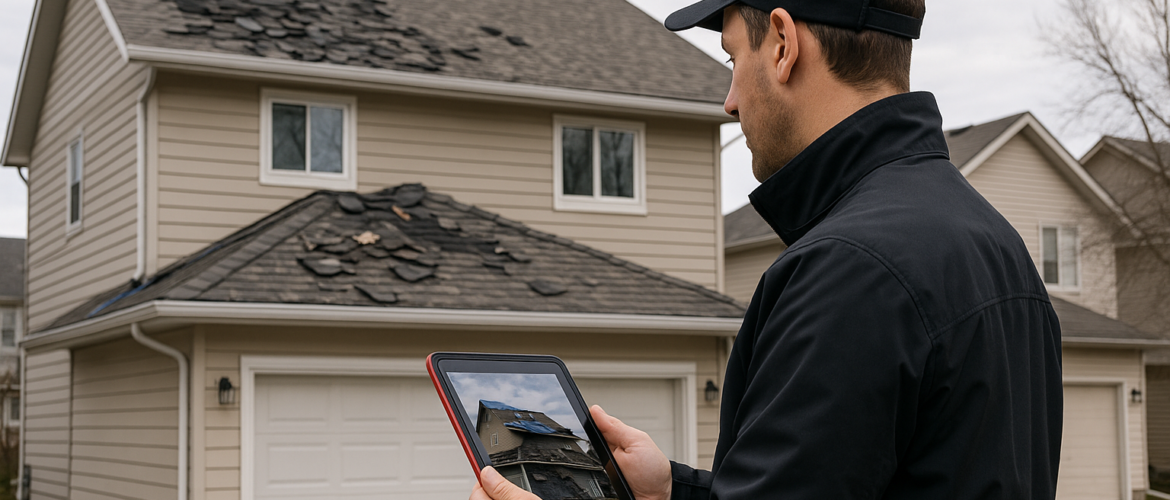
- Missing or Dislodged Shingles: One of the most obvious signs of storm damage is the absence of shingles, or shingles that appear cracked, curled, or lifted along the edges.
- Granule Loss: Check for excessive granules from asphalt shingles accumulating in gutters or downspouts. This erosion weakens the shingles’ protective layer, leaving the roof more vulnerable to future weather events.
- Dented or Damaged Flashing: Flashing around chimneys, vents, and valleys can become loose or dented from hail or wind-driven debris, creating vulnerabilities where water can seep in.
Subtle Warning Signs
- Water Stains or Leaks Indoors: Unexplained stains on ceilings or walls, and any signs of moisture in the attic, often signal a compromised roof system.
- Sagging Roof Deck: From the ground or inside the attic, note any areas where the roof appears to sag, which could indicate structural weakening from water infiltration.
- Debris Accumulation: Fallen branches or leaves collected in roof valleys can trap moisture, accelerating deterioration if not promptly removed.
By regularly inspecting your roof for these common signs after severe weather, you can catch issues early and prioritize necessary repairs. Recognizing damage quickly not only safeguards your investment but also streamlines the insurance claims process, setting the stage for professional storm damage roof inspections to follow.
Why Storm Damage Often Goes Unnoticed by Property Owners
Storm damage to roofs frequently escapes the notice of even the most attentive property owners. While the aftermath of a severe weather event may leave obvious signs—such as missing shingles or visible leaks—many types of damage are far subtler, quietly compromising the integrity of the roof over time. Understanding why this damage often goes undetected is crucial for maintaining the long-term health of your property.
Invisible Threats Lurking Above
One of the primary reasons storm damage goes unnoticed is that much of it occurs out of sight. Hail impacts can bruise or crack shingles without creating immediately visible symptoms. Wind-driven rain may sneak beneath roofing materials, soaking underlayment or insulation layers. These issues rarely present dramatic evidence in living spaces until they have developed into far more serious—and expensive—problems.
The Misconception of Surface-Level Inspections
Many property owners believe a quick glance from the ground is sufficient to determine their roof’s condition. Unfortunately, this approach often overlooks critical but less apparent damage. For example, granule loss from asphalt shingles or the loosening of flashing around vents and chimneys can easily escape notice from below. Left unchecked, these vulnerabilities can accelerate roof deterioration and open the door to moisture intrusion.
The Delayed Onset of Symptoms
Unlike shattered windows or downed trees, storm-related roof damage rarely causes immediate, dramatic effects. Leaks may take weeks or even months to manifest inside the building, leading owners to underestimate the impact of a recent storm. By the time water stains appear on ceilings or walls, significant structural damage may already have occurred.
Recognizing the hidden nature of many storm-related issues is the first step in protecting your property. Investing in professional roof inspections ensures that even subtle signs of damage are addressed before minor problems escalate into costly repairs.
The Importance of Professional Roof Inspections After Storms
When a powerful storm passes through, its impact on residential and commercial roofs can be both immediate and insidious. While some damage—such as missing shingles or obvious leaks—can be easy to spot, other, less apparent issues may lurk beneath the surface, undermining the structural integrity of the roof over time. This is why professional roof inspections after a storm are not just recommended—they are essential for every property owner concerned about the value and safety of their investment.
Uncovering Hidden Damage
Storms can inflict a variety of damages that aren’t immediately visible from the ground. Hail can bruise or crack shingles, wind can lift and dislodge roofing materials, and rainwater might seep into small fissures, setting the stage for future leaks or mold growth. A professional inspector is trained to recognize these subtle threats, utilizing specialized equipment and keen expertise to assess the full extent of storm damage. This thorough evaluation goes far beyond a simple visual scan; it provides peace of mind and a comprehensive understanding of your roof’s condition.
Protecting Your Investment
Timely, expert inspections help property owners address minor issues before they escalate into major financial burdens. By catching and repairing problems early, you not only extend the lifespan of your roof but also safeguard the overall integrity of your home or business. Moreover, documentation from a professional inspection is invaluable when filing insurance claims, ensuring you receive the compensation you deserve for storm-related repairs.
In essence, professional roof inspections serve as a critical first line of defense after any significant weather event, laying the groundwork for swift repairs and long-term protection.