What a Professional Roof Inspection Really Covers: More Than Just Shingles
When most people think about a roof inspection, they picture someone looking at shingles from the ground and calling it a day.
That is not a professional roof inspection.
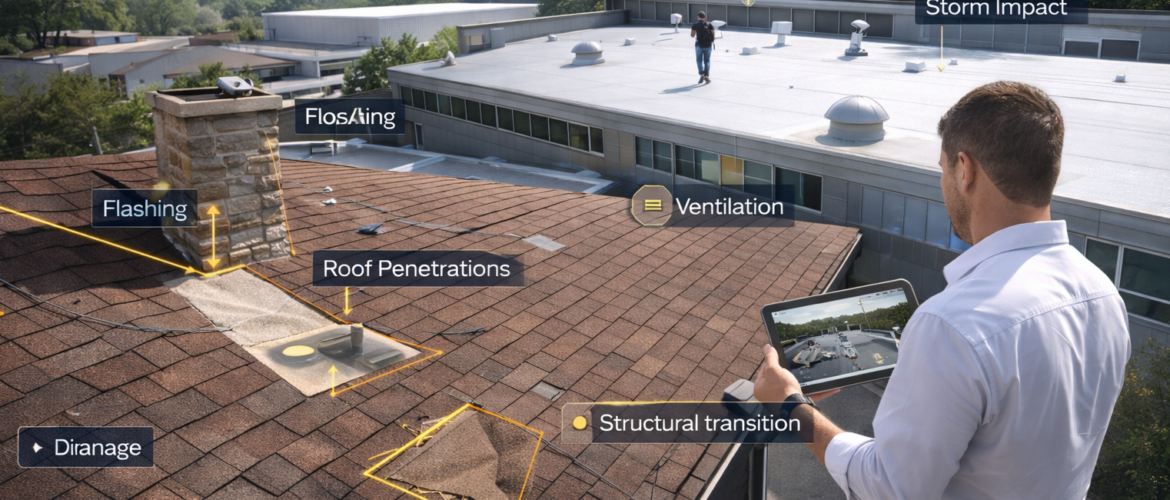
A real roof inspection is a system-level evaluation. It looks at how the full roofing assembly is performing, how water is moving, where the roof is vulnerable, whether storm damage is present, and whether the property is being protected the way it should be.
At Roofing First Solutions, we believe educated property owners make better decisions. Whether you own a home, manage a commercial property, or want clarity after a storm, understanding what a professional roof inspection really covers can help you avoid bigger problems, protect your investment, and act before minor issues become major expenses.
A Roof Is a System, Not Just a Surface
One of the biggest mistakes property owners make is thinking the roof is only the visible outer layer.
In reality, a roof is a complete protective system made up of multiple components working together. If one part fails, the entire system can become vulnerable.
That is why a professional roof inspection should evaluate more than what appears obvious from the street. It should look at the areas that most often create leaks, shorten roof life, or allow hidden damage to spread.
1. Shingles, Tile, Metal Panels, or Roofing Membrane
Yes, the visible roof covering matters, but it is only the starting point.
On residential properties, this often means checking asphalt shingles, tile, or metal panels for:
- missing materials
- lifted edges
- cracking
- curling
- blistering
- granule loss
- impact marks
- aging patterns
- improper installation signs
On commercial roofing systems, the inspection may focus on membranes such as TPO, PVC, modified bitumen, metal panels, coatings, seams, and field conditions. The goal is to identify punctures, shrinkage, separation, seam stress, standing water areas, fastener problems, or membrane fatigue.
A trained eye is not just asking, “Does the roof look okay?”
A trained eye is asking, “Is this roofing system still doing its job under real weather conditions?”
2. Flashing: One of the Most Important Leak-Prevention Components
Flashing is one of the most overlooked but most important parts of a roof.
It helps seal the transitions and joints where roofing materials meet walls, chimneys, skylights, curbs, vents, and other roof features. These are some of the most vulnerable areas on any roofing system because movement, weather exposure, and installation details all matter.
If flashing is loose, rusted, lifted, improperly layered, or failing at a transition point, water can enter the structure even when the field of the roof still looks acceptable.
This is why professional inspections pay close attention to:
- chimney flashing
- wall flashing
- step flashing
- counter flashing
- edge metal
- curb flashing
- transition flashing
A roof can appear fine from a distance and still have major flashing-related issues that deserve immediate attention.
3. Roof Penetrations: Small Areas That Cause Big Problems
Penetrations are any components that pass through the roof system.
This includes:
- plumbing vents
- HVAC penetrations
- exhaust vents
- skylights
- equipment curbs
- satellite mounts
- solar attachments
- pipe boots
These areas matter because every penetration interrupts the continuity of the roof system. If the seal, flashing, boot, or curb detail begins to fail, water can enter long before obvious interior damage appears.
On commercial buildings, penetrations are especially important because rooftop equipment, conduits, and service points create more complexity. On residential roofs, damaged pipe boots or poorly sealed vent details are common sources of leaks that many owners never notice until stains appear indoors.
4. Valleys and Water Channels
Valleys are where two roof slopes meet, and they are designed to direct water off the roof. Because they carry concentrated water flow, valleys are one of the most important parts of the system to inspect.
If a valley is damaged, obstructed, worn, or improperly flashed, it can become a major leak point.
A professional inspection checks for:
- valley wear
- exposed fasteners
- material breakdown
- debris buildup
- water concentration damage
- poor drainage patterns
- separation at flashing or seams
In simple terms, valleys handle a lot of water. That means they deserve serious attention.
5. Drainage and Water Management
Water management is one of the clearest differences between a basic roof lookover and a real roof inspection.
A professional inspector is always evaluating where water goes, how fast it leaves, and whether the roof is draining the way it was designed to.
For residential roofing, this includes checking gutters, downspouts, eaves, roof edges, and signs of overflow or backup.
For commercial roofing, it becomes even more critical. Flat and low-slope roofing systems depend heavily on proper drainage. If water is ponding, slow to evacuate, blocked by debris, or collecting around penetrations and equipment, that can accelerate deterioration and increase the chance of leaks.
Poor drainage can quietly damage a roof for months before the problem becomes obvious from inside the building.
6. Ventilation and Airflow Performance
Many property owners do not realize that roof performance is also tied to airflow.
Proper roof ventilation helps regulate heat and moisture. When ventilation is poor, it can contribute to excess attic heat, trapped moisture, mold risk, material aging, insulation problems, and reduced system life.
A professional roof inspection may evaluate:
- ridge vents
- intake ventilation
- exhaust ventilation
- attic airflow balance
- moisture signs
- heat buildup indicators
Ventilation problems often do not announce themselves loudly. They show up gradually through premature aging, moisture issues, and comfort or energy-efficiency problems.
That is why a full inspection should not ignore what is happening beneath the surface.
7. Signs of Storm Impact
Storm damage is not always dramatic.
Some of the most important damage goes unnoticed because property owners are looking for obvious destruction when the real warning signs are more subtle.
A professional inspection may identify:
- hail impact marks
- bruising
- punctures
- lifted shingles from wind
- torn tabs
- loosened flashing
- displaced ridge materials
- membrane stress
- metal dents
- damage from debris strikes
This is especially important after hail, high winds, heavy rain, or severe weather events. What looks minor from the ground can become a leak path, warranty issue, or structural concern later.
That is one reason inspection-led roofing matters so much. You are not guessing. You are documenting.
8. Structural Transitions and High-Risk Change Points
Some of the most important parts of a roof are the places where the geometry changes.
These transitions may include:
- slope changes
- wall-to-roof transitions
- parapet intersections
- dormers
- crickets
- dead valleys
- roof-to-addition tie-ins
- curb transitions
These areas are high-risk because roof movement, water concentration, and installation complexity all come together there. A professional inspection pays attention to whether these transitions were built correctly and whether they are still performing well over time.
This matters on both homes and commercial buildings. In many cases, leaks begin at a transition point rather than in the middle of the field.
9. Why Drone Images Add Real Value
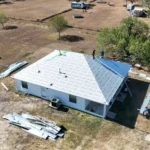
Drone-assisted roof inspections add a level of documentation and visibility that is difficult to match with ground-only observation.
When used properly, drone imaging can help capture:
- overall roof layout
- close visual documentation of suspect areas
- hard-to-reach slopes
- edge conditions
- commercial roof scale
- before-and-after comparisons
- storm impact evidence
Drone support does not replace professional judgment. It strengthens it.
It allows property owners to see what the inspector sees, which improves communication, transparency, and documentation. It can also improve efficiency and reduce the need for unnecessary foot traffic on sensitive or steep roof areas. Commercial drone operations in the U.S. are regulated by the FAA, and the broader roofing industry increasingly uses them for faster, safer documentation and review.
For a company building trust at a high level, that matters. Serious inspections should come with serious documentation.
10. Why Residential and Commercial Owners Both Benefit
Residential and commercial roof inspections are not identical, but the value is strong in both settings.
For homeowners, an inspection can help catch storm damage early, uncover hidden leak sources, verify the condition of the roof, support planning, and provide peace of mind before small issues grow.
For commercial owners and managers, inspections are even more strategic. They help protect assets, reduce interruption risk, identify drainage and membrane issues, document roof conditions for planning, and support better maintenance decisions across larger systems.
In both cases, the goal is the same:
protect the property, protect the budget, and protect the people underneath the roof.
A Professional Roof Inspection Should Deliver Clarity
A real inspection should not leave you with vague opinions.
It should help you understand:
- what condition the roof is in
- where the vulnerabilities are
- whether storm damage is present
- what areas deserve attention now
- what can be monitored
- what may affect long-term performance
That kind of clarity helps property owners make smarter decisions with more confidence.
And that is what great roofing companies do. They do not just sell roofing work. They bring expertise, documentation, education, and clear next steps.
Final Thought: The Best Time to Inspect a Roof Is Before a Small Problem Becomes a Big One
The longer roof issues go unnoticed, the more expensive and disruptive they can become.
A roof inspection is not just about finding damage. It is about understanding the system that protects your home or building every single day.
At Roofing First Solutions, we believe strong roofing decisions start with strong information. That is why our inspection approach is built around professionalism, clarity, documentation, and real value for property owners.
If you want a better understanding of your roof’s condition, the smartest move is to have it evaluated the right way.
Book Your Inspection
Book an inspection visit here:
https://form.jotform.com/260982652972065